
Get Back to Work: What Ohio State's Response to Texas Teaches About Accountability
Build a response you can depend on.
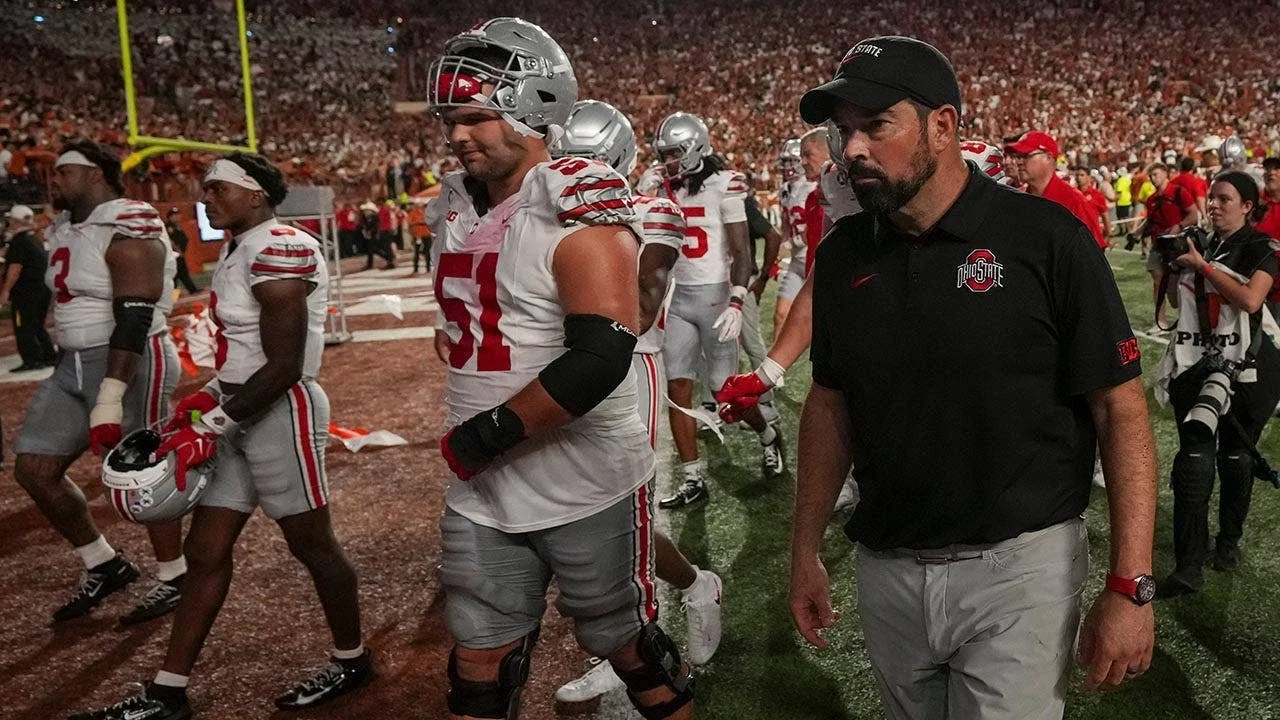
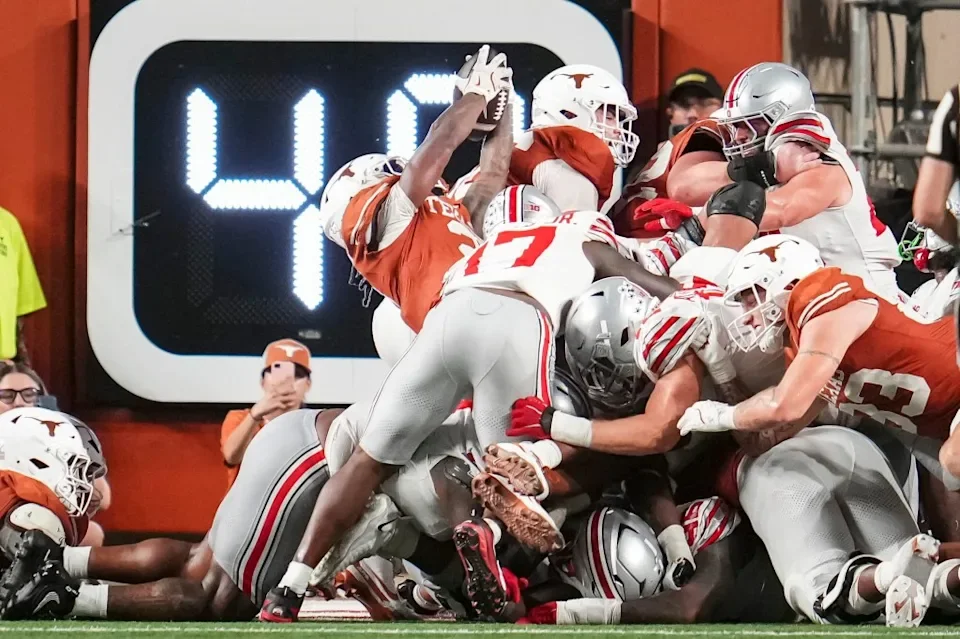
Ohio State led Texas 20–3 entering the fourth quarter on September 12. They ultimately lost 24–23.
A week later, the Buckeyes beat Kent State 59–3.
The score of that second game isn't really the interesting part. What matters is what happened in the week between those two games. When a game you thought you had won slips away in the final quarter, how do you respond? What do you do with the disappointment, the criticism, and the things you wish you could change?
Those questions have very little to do with football. They come up in work, in relationships, in leadership, and in just about every other part of life.
What happened in the Ohio State and Texas game
In Austin, Ohio State controlled the game for three quarters. Then Arch Manning led Texas on three touchdown drives in the fourth quarter, and the Longhorns came back to win by a point.
The loss brought plenty of second-guessing, much of it focused on Ohio State's decisions late in the game. Ryan Day didn't try to explain the result away.
"We really played well for three quarters and then didn't play well enough in the fourth quarter; that's the bottom line."
There is something meaningful in the simplicity of that statement. There was no attempt to make the loss something it wasn't. Ohio State had played well for three quarters, it hadn't played well enough in the fourth, and now the team had to spend some time understanding why.
What comes after a loss
Day was direct about how the loss felt: "It's extremely frustrating, it's maddening."
But he was equally direct about what needed to happen next.
"We all gotta take accountability and get this thing corrected and fixed moving forward."
That idea of taking accountability isn't just a football concept. When Chuck Hutchison looks back across his own life—from a dairy farm in Ohio to the NFL, and later into executive leadership—he views those shifts simply as different classrooms for the same lesson. The circumstances changed considerably over the years, but the question remained remarkably consistent: How do you respond when things don't go according to plan?
When something doesn't go the way you expected, your natural tendency is to spend a lot of time looking backward. You replay the decision, revisit the mistake, think about what someone else could have done differently, or try to explain why things unfolded the way they did.
Some of that reflection can be useful. But eventually, reflection has to help you understand what comes next.
Accountability: solve the problem, don't defend it
Day described his approach to a difficult loss in four letters: "You don't BCDE: blame, complain, defend."
Instead, he said, "We have to solve the problem, get the problems fixed, and then move forward."
He met with the team's captains, and they were on board with that approach.
"That's what you do. You solve problems."
For Hutchison, accountability is just a matter of honesty. It means slowing down enough to look carefully at what happened, recognize what belongs to you, and then take responsibility for doing something about it.
Day said the loss "highlighted some things that we got to get fixed."
That's one of the more useful ways to think about a setback. Instead of viewing it only as something that went wrong, you can also see it as information. It may reveal something about a decision you made, a habit you have developed, a weakness in your preparation, or something you hadn't considered before.
The value comes from what you do with that information.
Responsibility: the work that belongs to you
Nobody on Ohio State's team could go back and replay the fourth quarter. What they could control was how they approached the following week, turning reflection into consistent action.
For receiver Jeremiah Smith, that meant getting back to work.
"I just wanted to get back to work on Tuesday, get that loss out of me."
Day was looking for the same thing from the team. He wanted "a response out of a group of guys coming off of last week."
There is something worth paying attention to in the fact that he talked about Tuesday: not the next big game, not the next opportunity to prove something—Tuesday.
That's where most of your work actually happens. It's the ordinary day after something hasn't gone the way it was supposed to, when there is no guarantee that anyone will notice what happens next. The work is figuring out what to carry forward from the experience and what to leave behind.
Responsibility begins there. It is not about controlling the outcome. It is about being honest about what belongs to you and deciding how you want to respond.
Excellence: the standard doesn't check the scoreboard
Kent State was a heavy underdog, and Ohio State led comfortably. Even so, Day used the game to reinforce a point about the fourth quarter.
"We know how important these fourth quarters are going to be. It doesn't matter what the score is."
That is a meaningful distinction. If your expectations change depending on the opponent, the circumstances, or how well things are going, you may not have a standard so much as a set of situational expectations.
The same idea shows up in the way Jeremiah Smith approaches his own development. In just 33 games, he broke Ohio State's career receiving yards record. Day credited "his mindset, his discipline, what he does every day."
The record is what people see. All of the little choices that produced it is something most people never see.
That has always been central to Hutchison's understanding of excellence. It isn't necessarily about doing something extraordinary. More often, it is about having a standard for yourself and allowing your behaviors to reflect that standard consistently, particularly when there is no immediate reward for doing so.
Community: come together around the work
Day also described the response as something the team had to work through together.
"It's about our team, it's about our tribe, it's about us coming together and playing for each other."
The people around you influence how you respond to difficult moments. A loss can make it easy for a group to turn inward, look for someone to blame, or start protecting itself.
It can also create an opportunity to come together around the work that needs to be done.
That doesn't mean pretending the loss didn't happen or avoiding difficult conversations. It means creating enough trust within a group to be honest about what happened and then working together to address it.
One win over Kent State doesn't erase what happened in Austin, and it doesn't predict what kind of season Ohio State will ultimately have.
What it does give you is an example of what happened in the week that followed. The loss became something the team had to learn from, work through, and respond to.

Your Tuesday after the loss
You will likely have your own version of that fourth quarter. It might be a deal that slipped away late, a project that fell apart near the finish, a decision you wish you could make again, or a season of life that didn't turn out the way you expected.
When those things happen, your instinct is often to move quickly toward fixing them. You want to know what went wrong and what you should do differently, sometimes before you've really taken the time to understand what happened in the first place.
A little more reflection can change that.
What happened that can't be changed?
What part of it belongs to you?
What can the experience teach you about your own patterns?
And when something similar happens again, what would you want to do differently?
Those aren't questions with quick answers. They are meant to slow the process down enough to look honestly at your choices, your patterns, and the standard you want to live by.
That is the thinking behind The Climb. Hutchison created it as a place to do that work, particularly in those moments when life doesn't unfold the way you expected it to. It isn't a formula to copy or a set of foolproof inputs. It’s a guided practice for understanding yourself well enough to build a response you can depend on.
The game will always have another quarter. Life will always bring another unexpected turn.
What matters is understanding the person you want to be when it does.
