
Get Better, Not Bitter: What Lance Taylor's Response to Michigan Loss Teaches About Accountability
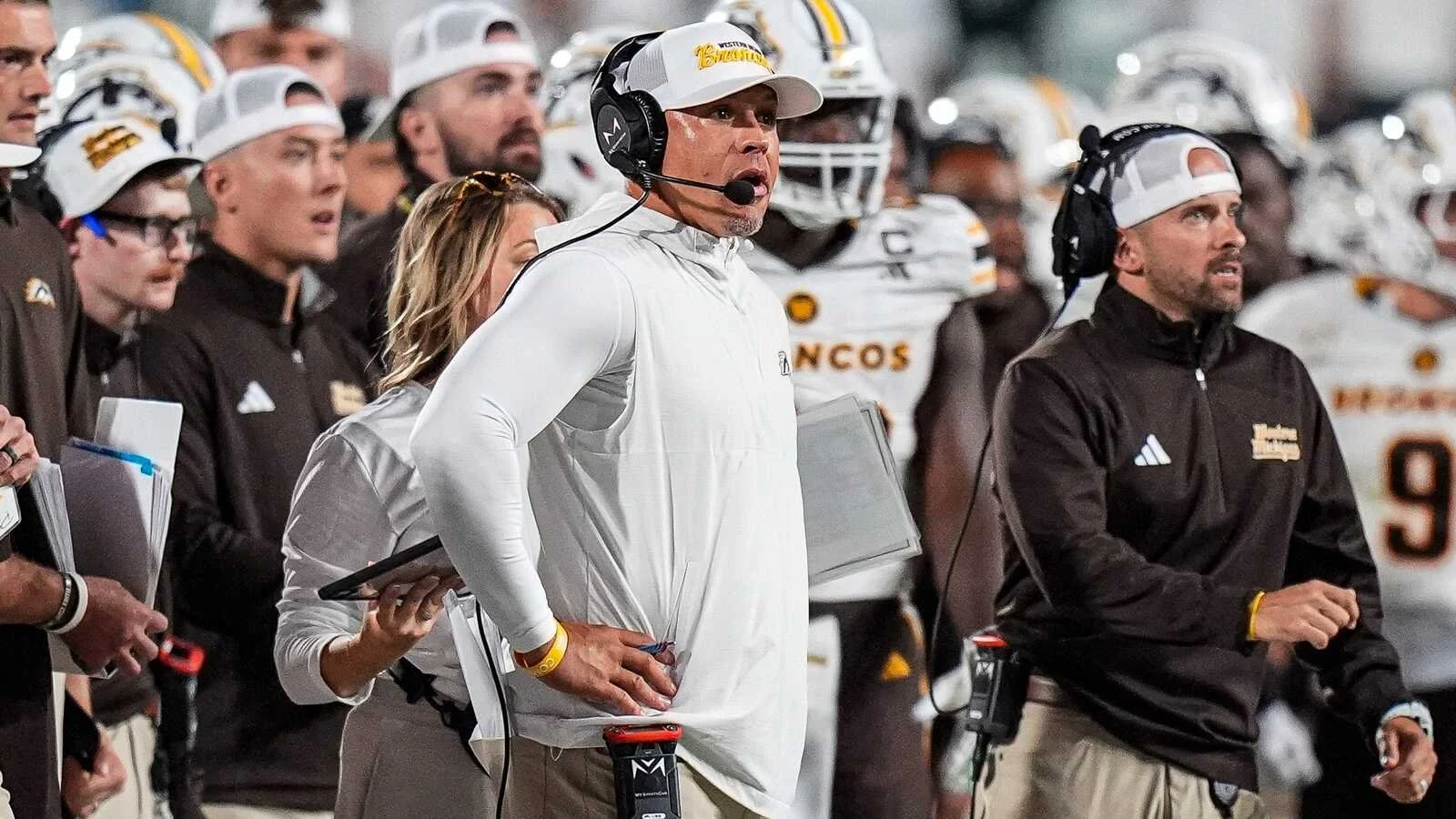
The circumstance may not be ours to control. The response still belongs to us.
Western Michigan thought it had won.
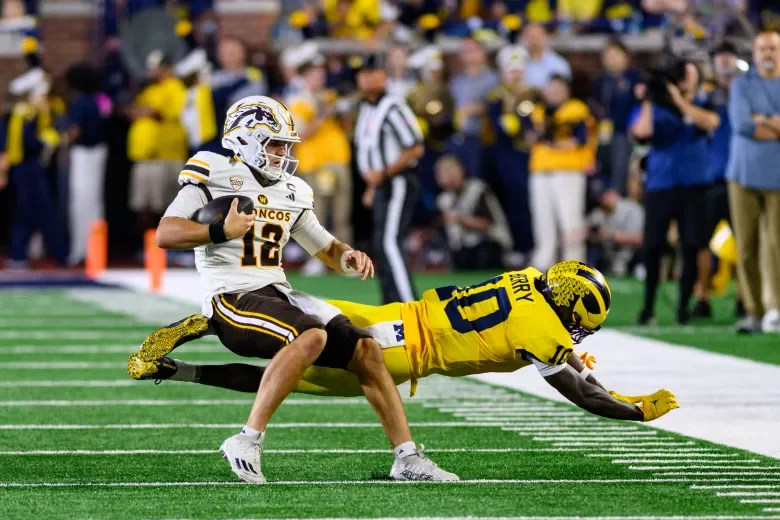
On Saturday night, September 5, the Broncos led No. 16 Michigan 12-7 at Michigan Stadium after a field goal with 35 seconds left. Michigan won 13-12 on a last-play Hail Mary, after a controversial one-second review.
What Western Michigan head coach Lance Taylor did next is a lesson in accountability. He chose to get better, not bitter.
What happened in the Western Michigan and Michigan game
Michigan's first Hail Mary attempt fell incomplete as the broadcast clock reached zero. Officials reviewed the play. The Big Ten later said a direct shot of the stadium clock showed one second remained when a Western Michigan defender touched the ball from out of bounds.
That one second went back on the clock. Bryce Underwood threw again, and JJ Buchanan caught a 47-yard touchdown in Kyle Whittingham's first game as Michigan's head coach.
What Lance Taylor said after the loss
Taylor had every reason to make the officiating the story. He was honest about what he saw. Right after the game, he said, "I know when I looked up at the clock, it was past zeroes before we touched it." He also credited the crew for handling several close calls and left the question to his commissioner.
The next day, after the Big Ten showed his team video of the play, he went further: "Ultimately, the refs did not cost [us] this game, and if we make the mistake of making an excuse, it allows us to be bitter instead of getting better."
For Chuck Hutchison, that sentence is The Climb in miniature. His philosophy grew out of a lifetime spent asking one question: what holds up when everything else changes? He has asked it from a dairy farm in Ohio, a National Championship team at Ohio State, seven seasons in the NFL, and the boardroom. Four pillars anchor the answer: Responsibility, Accountability, Excellence, and Community. Taylor's response touches all four.
Responsibility: separate what you can control from what you can't
Responsibility starts with sorting what belongs to you from what doesn't. Taylor did it out loud, on the night it happened: "We talk a lot about respond, regardless of what the circumstances are. We can't control whether there's a second left on the clock or not."
He also named the cost of getting it wrong: "When you complain about what's happened to you, or a call, you take your focus off of the solution."
Accountability: look at your own decisions first
It's easy to sort the piles when it lets you off the hook. It's harder when your own name is on the pile you can control. Taylor pointed at himself: "There were some clock management issues that I can get better at as a coach."
He pointed at his defense too. Western Michigan had defended the first Hail Mary well, and "unfortunately, we did not defend it as well the second time." His lesson was specific: "We can't just box out the back of the end zone. We've got to make sure that we cover them up at the front pylon as well."
Accountability doesn't have to be harsh, and it doesn't have to be vague. Here it was plain and practical. In Taylor's words, "It's important that we don't blame or deflect to other people here."
Excellence: use the loss to get better
In The Climb, excellence isn't perfection. It's the decision to keep getting better, even when the scoreboard says otherwise. Taylor's version: "We played well enough to win that game, and should be proud of what we put on full display."
He held the standard and the disappointment at the same time. Bitter and better sit one letter apart, and a coach's response often decides which one a team becomes.
Community: what a leader carries into the room
A leader also decides what the group takes out of the room. Taylor said his players "were hurting" and "thought that we had won that game." He wanted them to know "that we were fighting for them." He told the public, "Don't feel sorry for us."
He described leadership this way: "The obligation and burden of leadership is not necessarily saying what you want to say, but saying what needs to be said and leading by example."
The Climb Journal is built for individuals today, and future versions will extend the same standard-and-behaviors framework to teams and organizations. Leaders who want to build their own standard first are already using it.
Your second on the clock
You may never coach a game. But you will have your own second on the clock. Taylor said it himself: "You don't always get the promotion that you want."
When yours comes, try this. Take out a piece of paper and write by hand:
What happened that was never mine to control?
What part of this did belong to me?
What will I do differently the next time?
Writing by hand slows you down just enough to answer honestly. That's what The Climb Journal is for: a private place to work through these questions before the next hard moment arrives.
The circumstance may not be ours to control. The response still belongs to us.
